
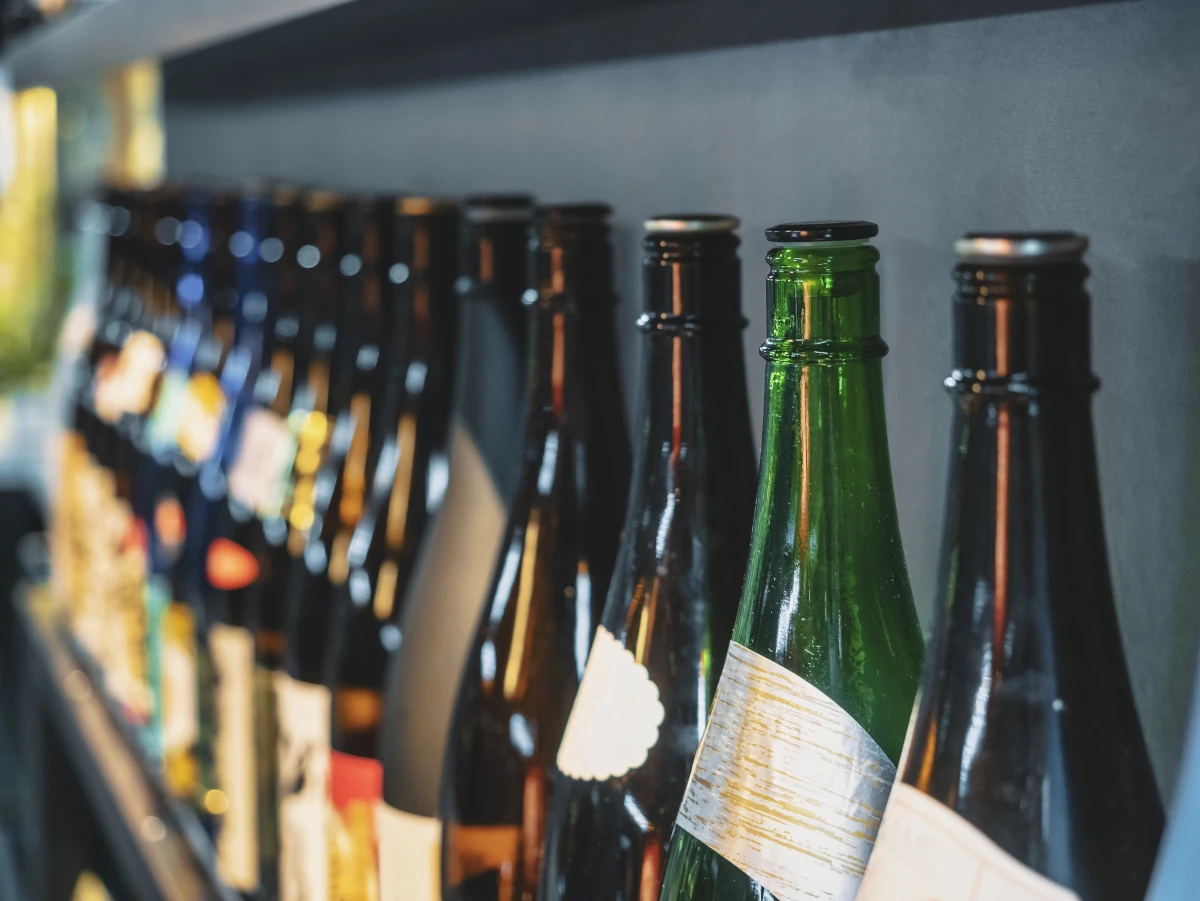
Imagine tucking in from the bustling market streets of Tokyo and stepping into a private sake salon where a sommelier smiles warmly and greets you with a bow. Your surroundings are intimate and lined with sake bottles from all over Japan. You start to feel a tinge of excitement as the faint aroma of sake greets you, letting you know you are about to embark on a sensory escapade. Tokyo, Japan’s unlimited sake tasting, is a fun and educational experience, inviting you into a cultural and interactive experience.
This post contains affiliate links. We may earn a small commission at no extra cost to you.
The Unlimited Sake Tasting Experience
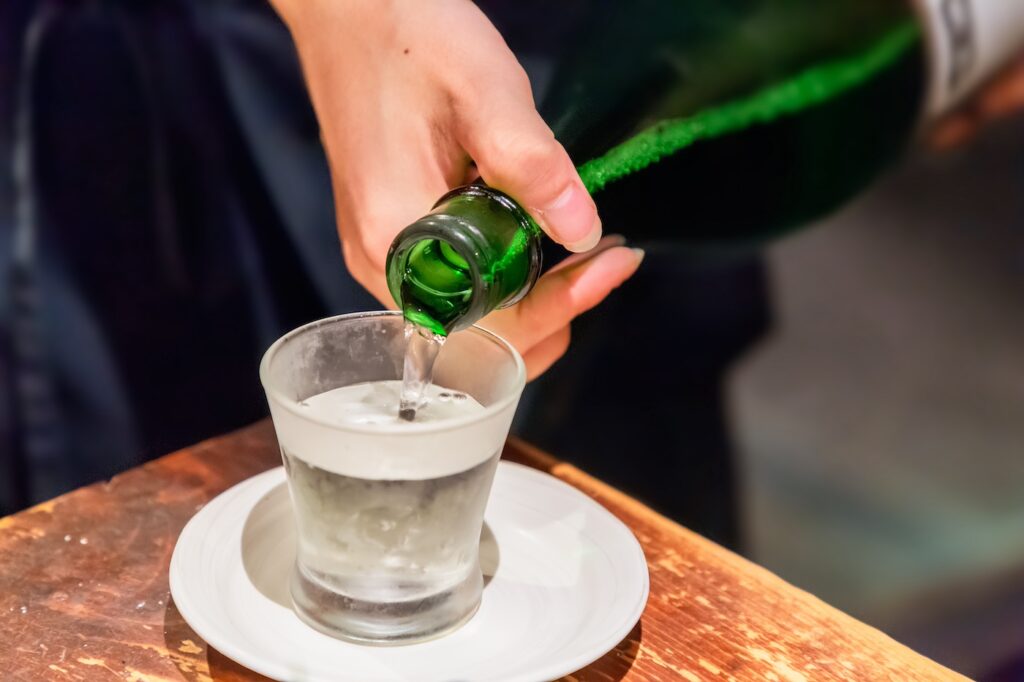
There are many sake tastings throughout Japan. We recommend an “unlimited sake tasting experience” like this Tsukiji sake tasting. While sake tastings in Tokyo are labeled “unlimited,” that doesn’t mean that you drink endlessly. (Hey, we aren’t judging here!) “Unlimited sake” actually refers to the freedom to sample as many different sakes as you like within the session. In other words, guests can try multiple varieties of sake repeatedly. There are no restrictions on any one type. So if you find one that you truly like, you can go back for more in moderation. It’s a self-paced experience with a focus on exploration and education. You’ll learn about the brewing process, food pairings, and the customs and culture tied to the sake.
Sake tastings in Tokyo tend to last between 60 and 90 minutes, which gives guests more than enough time to sample a wide variety of sakes. However, some sessions do go longer when paired with food or extra education.
Types of Sake

So what are the different types of sake that you will most likely be tasting? While there are wide varieties of sake, some of the sake options that are highlighted are the following:
Junmai
Junmai is considered the “pure rice” sake, characterized by a rich, full-bodied flavor. It pairs well with hearty dishes like grilled fish, sashimi, or lightly fried foods.
Ginjo
Ginjo is considered to be a more premium sake and is light, fruity, and aromatic. It pairs well with more delicate foods like sushi or salads.
Daiginjo
Daiginjo is a super premium sake that is delicate and fragrant with hints of floral or tropical fruit. It’s great with high-quality seafood or fine dining.
Flavored and/or Seasonal Sake
Flavored or seasonal sake refers to sake that is infused with natural ingredients or brewed to match seasonal themes. It can be infused with fruits or hints of floral, or even light sparkling styles. It’s often sweeter and can appeal to beginners. It’s often paired with snacks or desserts. This type of sake is a little harder to come by.
Tips for Visitors
ID Requirements
The legal drinking age in Japan is 20 years old, so it is best to bring a valid photo ID to participate.
How to Dress
There IS kind of an unspoken dress code that we recommend adhering to for an unlimited sake tasting. We suggest outfits that are neat, comfortable, and understated. Think breathable blouses, linen shirts, or simple knits paired with comfortable pants, dark jeans, or a mid-length skirt. Avoid leggings or clothing with logos or tears. We recommend wearing comfortable, closed-toed shoes or sneakers since, more than likely, you will have to walk through a busy market before and after your tasting. Definitely wear a nice pair of socks, as you will probably be asked to remove your shoes upon entering. If you’re a perfume lover, maybe skip it for this, since the scents can interfere with aromas and your overall sake tasting experience.
Whether you are a beginner to sake or a seasoned sake lover, we think an unlimited sake tasting is an exciting and cultural experience that you will enjoy and look back fondly on. We highly recommend it.
If you’re looking for other fun highlights about Japan, check out this post on Japan with Teens: Must-See Spots and Hidden Gems in Tokyo. Or if you’re a foodie who’s looking for other great ideas, you might enjoy Eating Europe Food Tours: How to Eat Like a Local in Europe’s Top Cities!